June 24, 2026
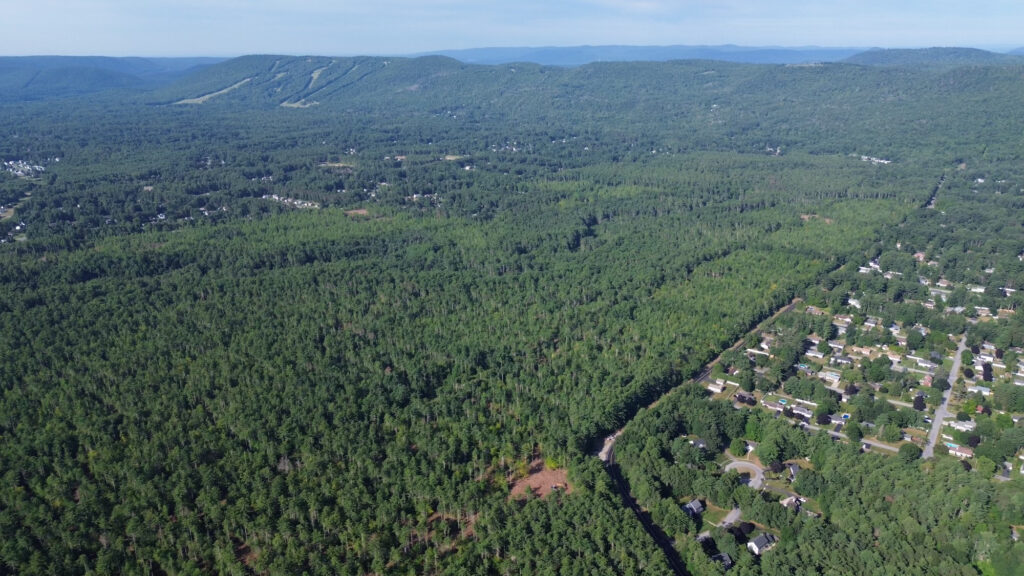
Q1: How many acres are in the Glens Falls Watershed?
Answer: The Glens Falls Watershed is approximately 4000 acres
Q2: How long has Glens Falls Watershed been managed?
Answer: The Glens Falls Watershed has been professionally and sustainably managed for over 50 years.
Q3: Why are trees harvested?
Answer: Harvesting is meaningful and purposeful. Harvesting is done to regenerate the forest, grow healthy trees and generate revenue for the City of Glens Falls.
Q4: When was the Potter Woods Plantation planted?
Answer: Potter Woods was planted around the 1930s to 1940s, making the plantation roughly 100 years old.
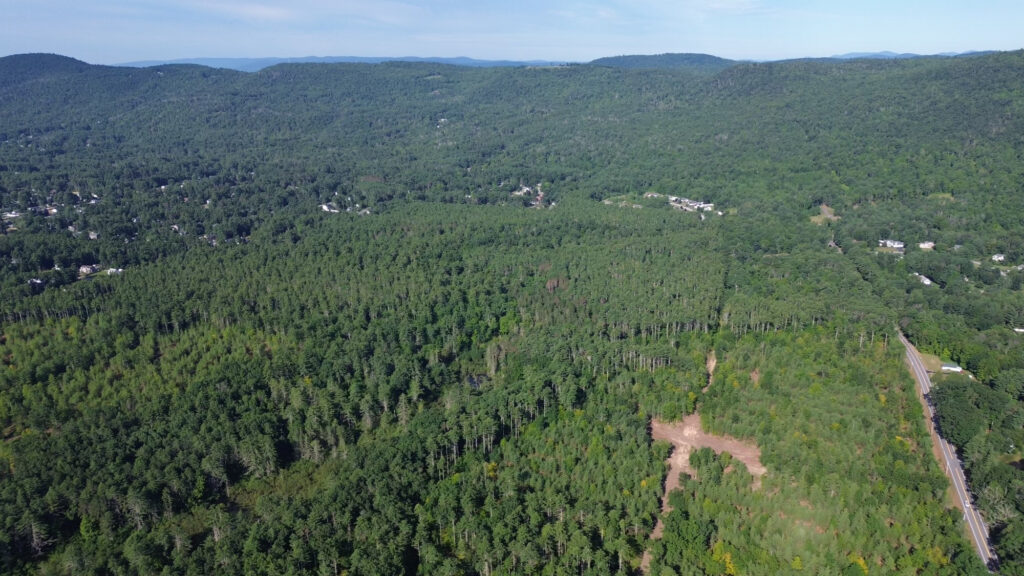
Q5: How many acres is Potter Woods?
Answer: Potter Woods is roughly 600 acres.
Q6: What type of trees are found in Potter Woods?
Answer: A mix of red and white pine depending on the location
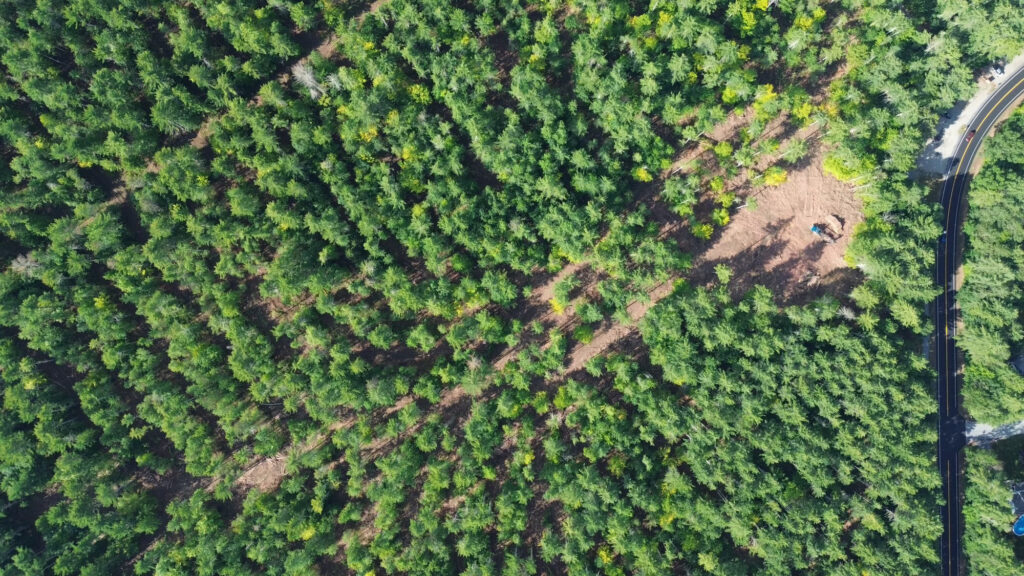
Q7: How many times has Potter Woods been harvested?
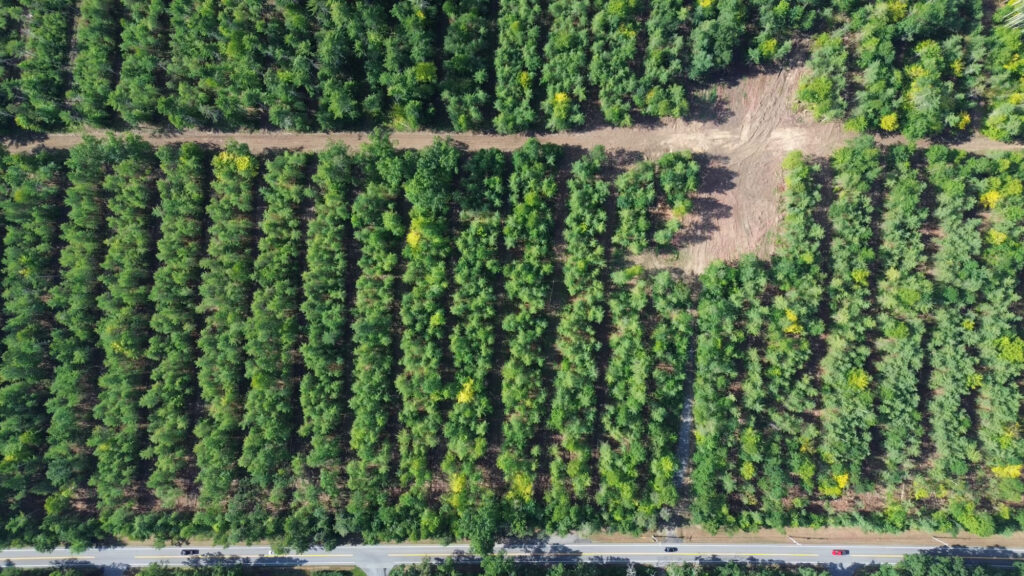
Answer: Both red and white pine have been harvested twice since the early 2000s
Q8: Why are the trees cut down?
Answer: Healthy trees have large crowns and need space to grow. Thinning out the forest provides space for trees to grow, allowing more sun to reach the forest floor, and provides more water and nutrients.
Q9: If the Potter Woods have been harvested twice what is being observed as a result of those harvests?
Answer: A tremendous amount of regeneration, mostly white pine and a surprising amount of hardwood.
Q10: The forest appears to look messy. What will be done to clean it up?
Answer: Harvesting creates a disturbance in the soil which is actually very good for regeneration because it provides sunlight eliminating the need to replant.
Q11: Why did so many of the trees have to be cut down?
Answer: The Potter Woods Plantation is not diverse; it has mostly all red pine, which is not good for wildlife, and in a case like this where an insect or disease impacts the forest, everything is affected. The only way to eradicate it is to get rid of the host which means get rid of all of the red pine trees.
Q12: Where did the Red Pine Scale come from?
Answer: The red pine was introduced on ornamental trees from Japan at the World’s Fair 75 years ago.
Q 13: How long has the Red Pine Scale been a problem?
Answer: It has been a problem in NY and the Northeast for many years, and it is now being observed further north in New York, Vermont, New Hampshire, and Maine.
Q14: When was the Red Pine Scale first discovered?
Answer: In 2024, DEC received a call about several dead red pine trees on an island on Lake George. Upon examination, it was red pine scale.
Q 15: What exactly is Red Pine Scale?
Answer: It is a microscopic insect that sucks the same out of the fine branches and kills trees within a few years.
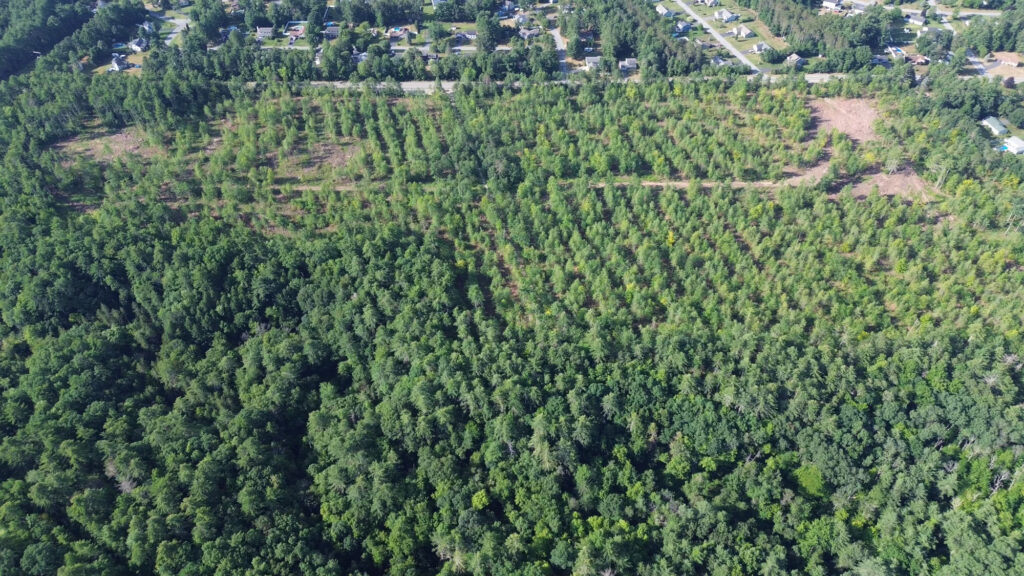
Q 16: How long has Red Pine Scale been in Potter Woods?
Answer: DEC estimates the trees in the Potter Woods Plantations have been infected for about two years.
Q 17: Is there any other way to remove the Red Pine Scale?
Answer: No, the only way to remove red pine scale is to cut the tree down.
Q 18: How did the Red Pine Scale spread through the Plantation?
Answer: Red Pine Scale spreads by the wind and birds.
Q 19: How was the Red Pine Scale found in Potter Woods?
Answer: F&W Forestry observed the brown color of the pines in February, prompting a call to DEC. The DEC Forest Pest Foresters collected some samples and determined two age classes of insects on branches and confirmed multiyear infestation.
Q20: Are there any photos that capture the condition of the trees?
Answer: Yes, there are photos from August 2025 on Google Earth where the white pine is bright green and the red pine is a brown-purplish color.
Q21: Why was the timber harvest done now?
Answer: It was time-sensitive to remove the trees before they died, making the spring the best option to be able to sell the trees, availability of loggers, the need in the market, and capitalizing on good spring ground.
Q22: How did the loggers know what trees to cut down?
Answer: F&W identified the trees to be cut down by flagging the trees and painting harvest boundaries. Cuts were made directly up the trail, boundary lines and roads to capture as much of the red pine as possible in order to reduce the risk of a tree faling on a hiker, car or private property.
Q 23: What was done to protect the water?
Answer: A buffer was left along Halfway Brook for water protection.
Q24: Who bought the trees?
Answer: The timber was sold to multiple buyers in four sale areas.
Q25: What was done to let residents know this timber harvest was going to happen?
Answer: The City of Glens Falls and F&W Forestry reached out to the local papers, used social media, wrote letters to neighbors where the harvest was going to cut up to their yards, and personal outreach.
Q 26: What are the trees used for?
Answer: Trees are merchandised into poles, sawlogs, and pulpwood.
Q 27: What precautions were taken to protect water quality?
Answer: F&W Forestry follows Best Management Practices (BMPs) for water quality. The Potter Woods area is generally flat, sandy and dry. There are no wetlands in the harvest areas.
Q 28: Will the branches, brush, debris be removed?
Answer: No. Branches, treetops, called slash, goes back into the forest in the trails to decompose and provide nutrients for the soil, and habitat for insects, birds, and mammals. This natural process also improves the soil for grasses, forbs, and other plants.
Q 29: Does the slash increase the risk of fire?
Answer: No. The slash breaks down and rots quickly since it is close to the ground reducing the risk of fire.
Q 30: What is the slash in the trails?
Answer: The best place for slash is in the trails. The slash slows or prevents soil erosion.
Q 31: The trails are a mess. What is going to be done to clean them up?
Answer: Nice trails are not a goal of the timber harvest. Potter Woods is a working forest, not a public park. The harvest area is officially not open to the public.
Q 32: What would have been the risk in not doing a timber harvest?
Answer: (1) All the red pine would have died within 12 months which would,have resulted in upwards of 30,000 standing dead red pine trees on 366 acres (2) Increased liability to walkers on the Halfway Brook Trail, and greater libability to people who trespass on trails within the area, and increased liability to adjacent private property owners (3) increase risk of fire which could potentially wipe out the entire stand of trees including all the living trees, and threaten people’s property and lives.
Q 33: When will the next harvest happen?
Answer: Not likely in the next 40 years.
Q 34: Will more trees be planted?
Answer: Planting is not necessary because there is a young forest on many of the plantation areas, and the forest will regenerate naturally filling in the openings.
Q 35: Will the Red Pine grow back?
Answer: Hardwoods will regenerate making the forest more diverse which is better for wildlife, tree health, insect and disease concerns.
Q 36: Do I need to be concerned about walking in the woods and bringing the disease home?
Answer: The disease is transported by wind and birds. It is already likely that if you have Red Pine and you live in the neighborhood, your trees are infected and will die within a year, two at the most.
Q 37: How do I know if I have Red Pine trees on my property?
Answer: Warren County Soil and Water Conservation District offers a complimentary tree identification service. Call them at (518) 623-3119 to schedule an appointment.